Weapon Mount Integration Managing Recoil Dynamics To Preserve Vehicle Electronics Integrity
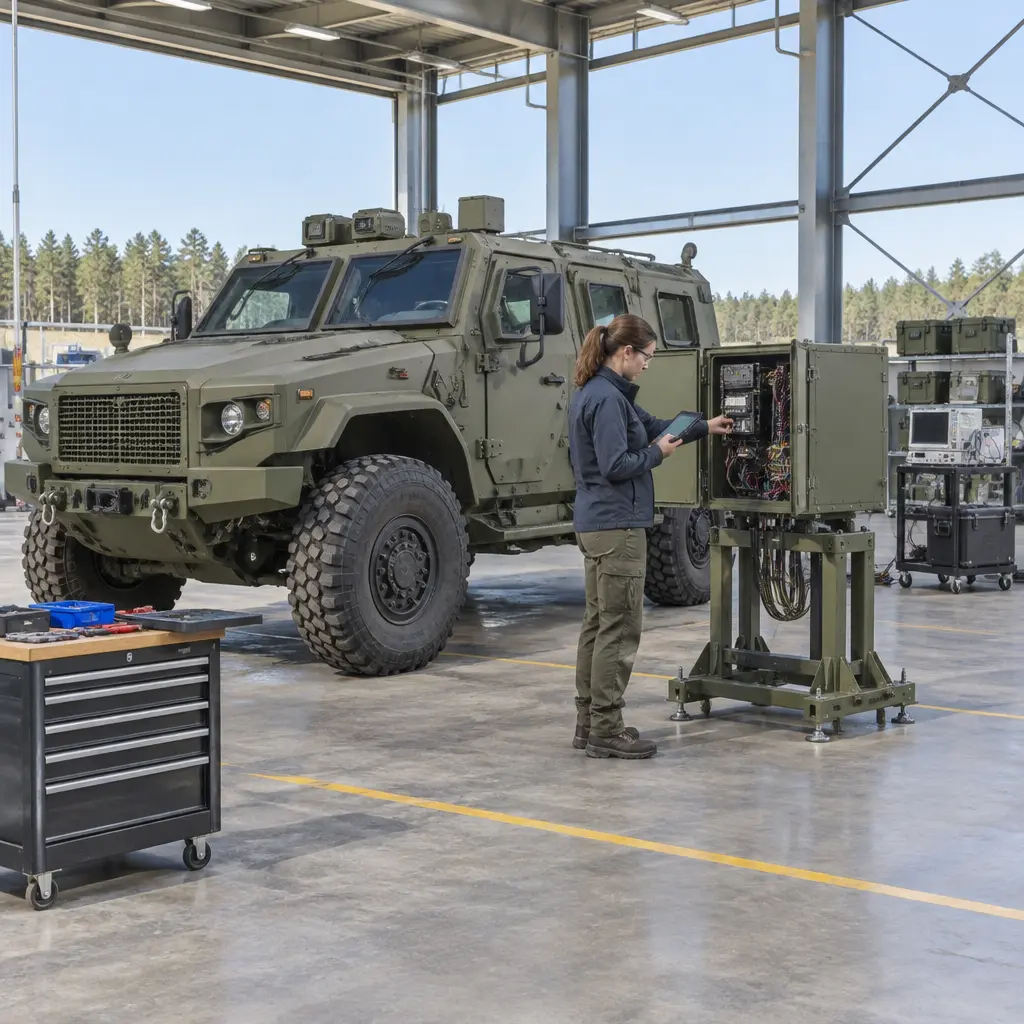
A weapon mount is the mechanical and structural interface that attaches a weapon to a vehicle; integrating one while managing recoil means controlling the forces and vibration transmitted through the mount, vehicle structure, and connected systems. A sound design does not eliminate recoil: it measures and manages load paths, structural response, isolation, and equipment vulnerability …

Maintenance Documentation Digitization Ensuring Offline Accessibility In Communications-Denied Environments

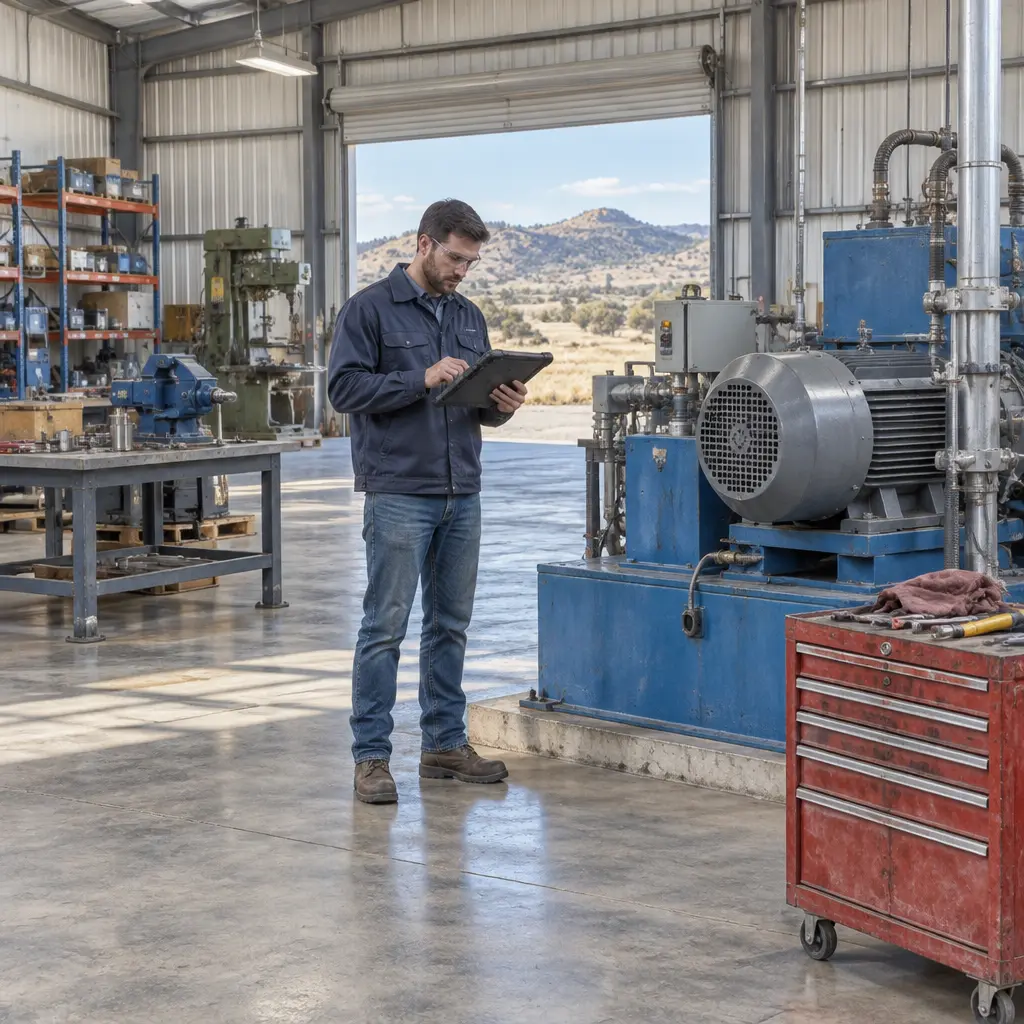
Maintenance documentation digitization is the conversion and organization of manuals, work instructions, inspection records, wiring diagrams, and related maintenance information into searchable digital formats. In communications-denied environments—where internet, cellular, or enterprise-network access is unavailable or unreliable—the documentation must also remain usable on local devices without a live connection. A robust approach therefore combines controlled digitization, …

Vehicle Recovery Systems Sizing Capacity For Worst-Case Extraction Not Nominal Weight Ratings

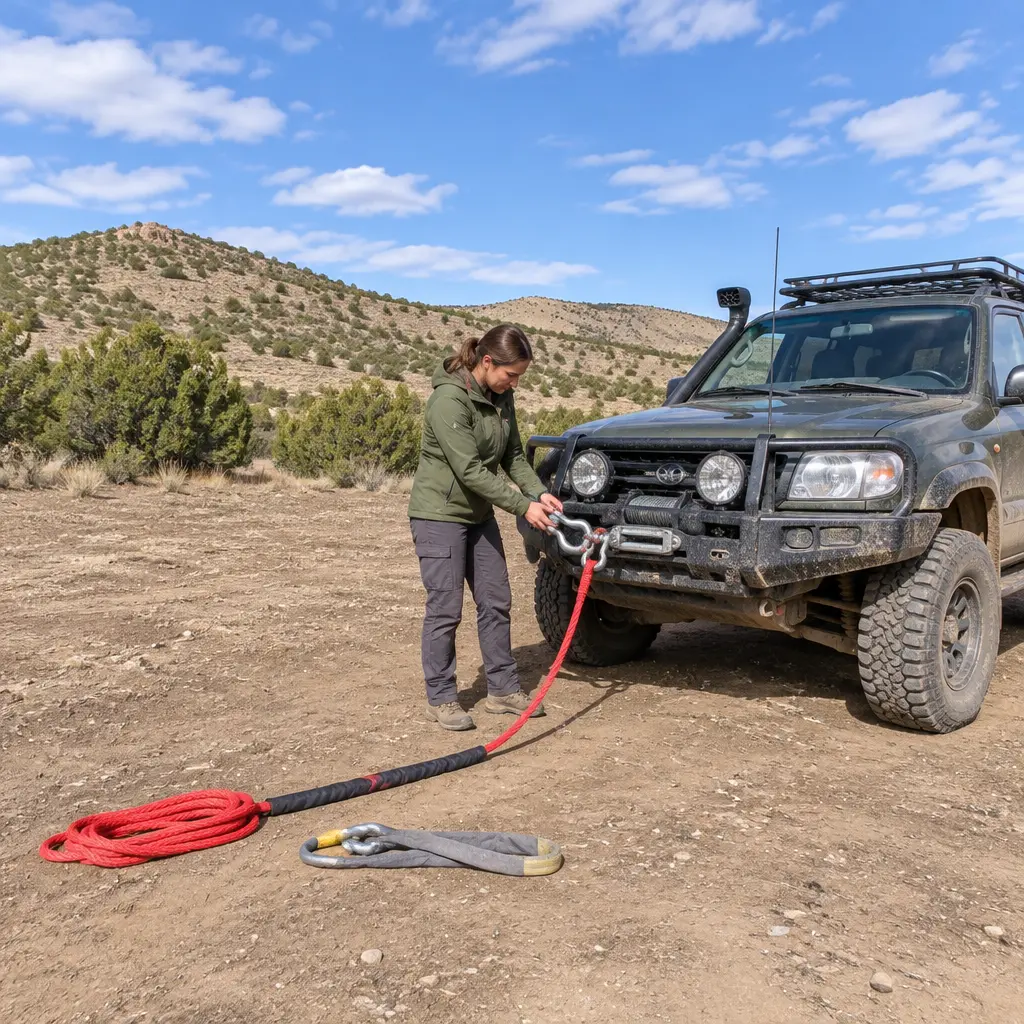
A vehicle recovery system’s capacity is the load it can safely handle in a defined recovery configuration—not simply the vehicle’s advertised curb weight or the number printed on a strap. Because mud, sand, slopes, buried wheels, braking, and abrupt loading can greatly increase extraction forces, size the complete recovery system for the worst credible pull, …

Armoured Vehicle Engineering Retrofits Modernizing Legacy Platforms Within Structural Limits

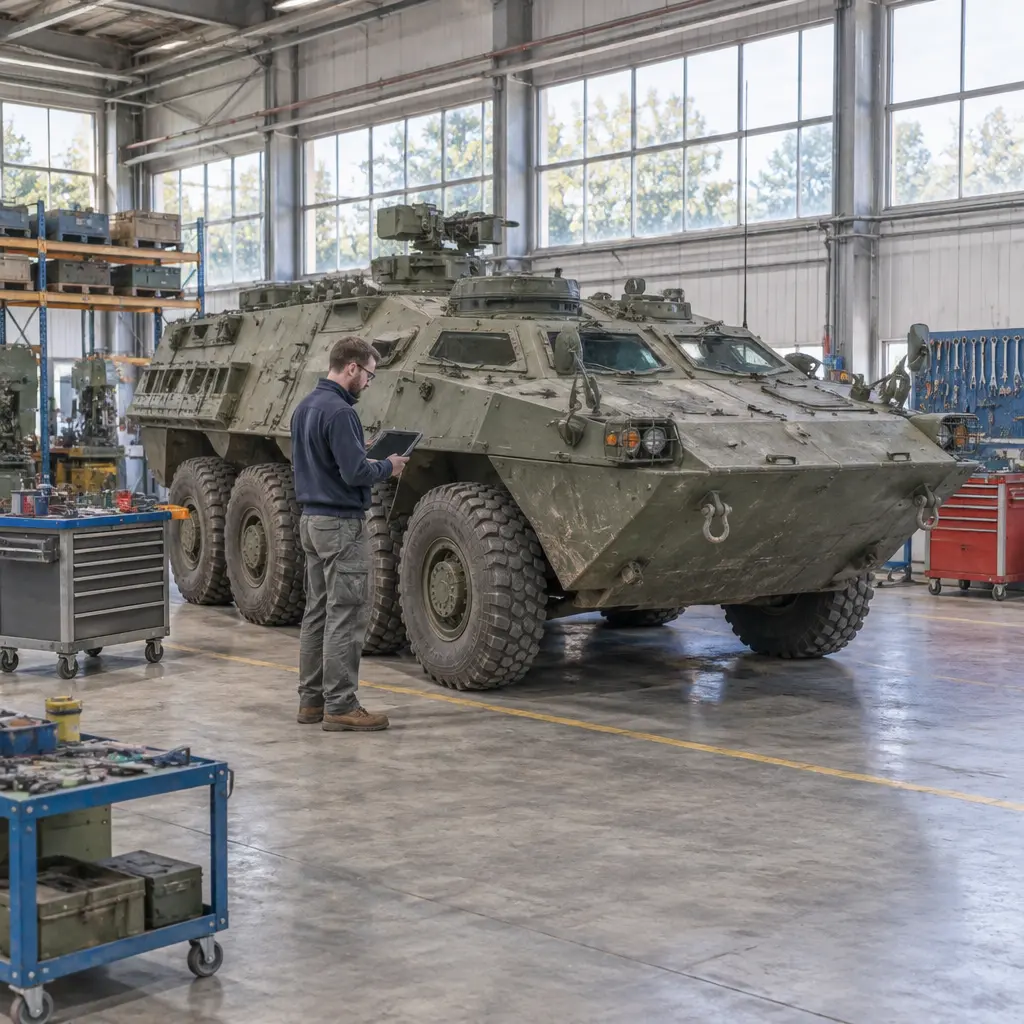
Armoured vehicle engineering retrofits are modifications that improve an existing vehicle’s protection, mobility, weapons, electronics, or crew systems without replacing the platform. The engineering challenge is to gain useful capability while respecting structural, weight, power, cooling, and safety limits. That balance matters because add-on armour and modern equipment can increase mass and alter a vehicle’s …

Military Vehicle Maintenance Protocols Prioritizing Operational Readiness Over Scheduled Intervals

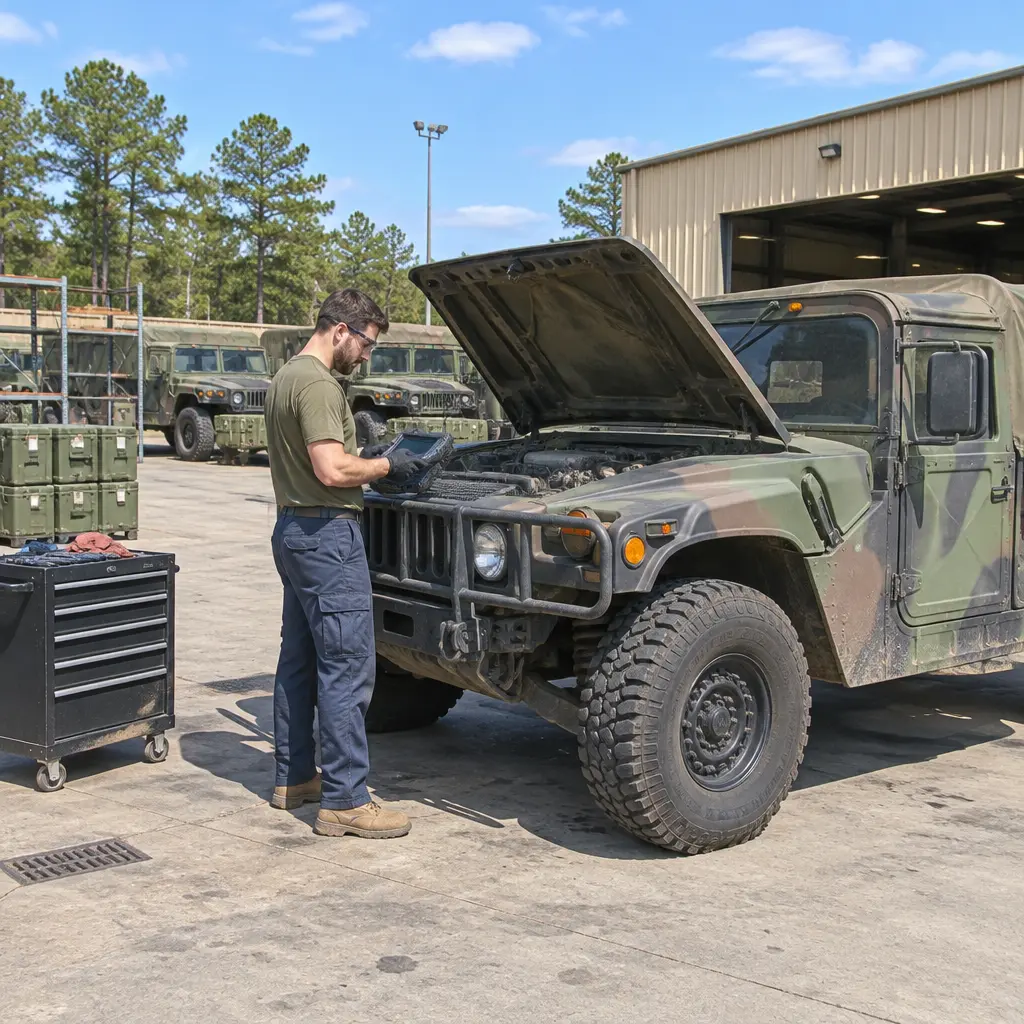
Military vehicle maintenance protocols that prioritize operational readiness use vehicle condition, mission demand, and risk to guide maintenance decisions rather than relying on calendar intervals alone. This is not permission to disregard technical manuals or mandatory inspections: it is a disciplined approach that combines required checks with condition-based monitoring, preventive care, and rapid fault correction. …

Reducing Defence Maintenance Costs Without Compromising Readiness

Defence maintenance is the work of inspecting, repairing, and sustaining military equipment so it remains safe and available for operations. Reducing its cost without compromising readiness means improving how assets are maintained—not simply cutting maintenance budgets. The U.S. Government Accountability Office (GAO) has repeatedly identified sustainment as a major challenge: in 2023, it reported that …

How to Measure Defence Maintenance Effectiveness

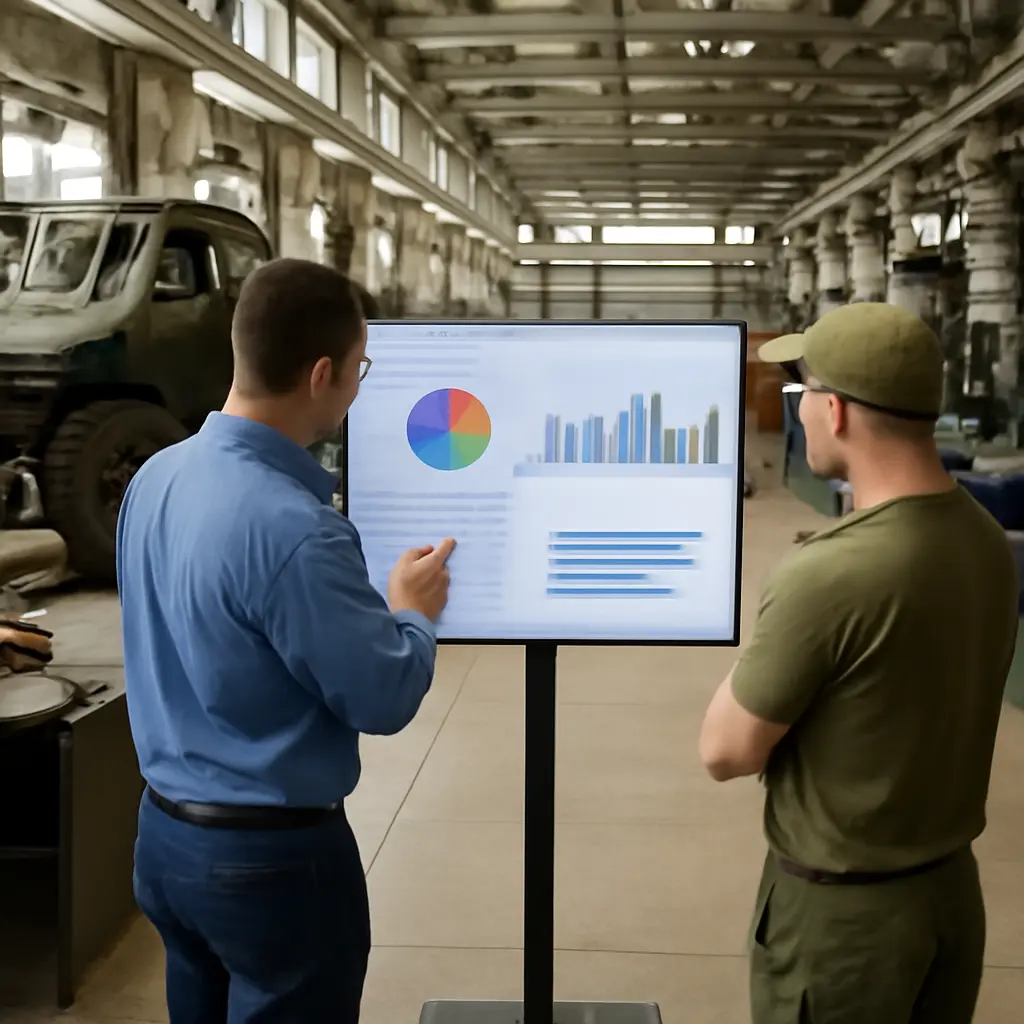
Defence maintenance effectiveness is the degree to which maintenance keeps military equipment safe, available, reliable, and ready for assigned missions while using people, time, parts, and money responsibly. It is best measured with a balanced set of readiness, reliability, repair-time, cost, safety, and supply indicators—not by counting completed work orders alone. The U.S. Government Accountability …

The Role of Maintenance KPIs in Defence Operational Planning

Military maintenance key performance indicators (KPIs) are measurable indicators of equipment condition, maintenance workload, and repair performance used to inform operational decisions. In defence planning, they help commanders and logisticians assess whether forces can meet assigned tasks, identify constraints before they become mission risks, and direct scarce personnel, parts, and workshop capacity. Their value is …

Best Practices for Maintaining Military Vehicle Fleets

Military vehicle fleet maintenance is the planned inspection, servicing, repair, and management of vehicles and their support systems throughout their service lives. Effective programs combine preventive maintenance, condition monitoring, trained personnel, reliable parts supply, accurate records, and operational feedback. The U.S. Government Accountability Office has repeatedly identified maintenance and parts availability as factors affecting military …